

Postherpetic Neuralgia: The Most Devastating Complication of Shingles
Herpes zoster (shingles) — reactivation of the varicella-zoster virus that has lain dormant in dorsal root ganglia since a childhood chickenpox infection — affects approximately 1 million Americans annually. For most patients, the acute shingles episode resolves within 2–4 weeks with appropriate antiviral treatment. But for approximately 10–15% of shingles patients — and for more than 50% of patients over age 70 — the pain persists long after the rash heals, evolving into postherpetic neuralgia (PHN): a chronic, severe neuropathic pain condition that represents the most debilitating complication of zoster infection.
PHN is defined as pain persisting for more than 90 days after the onset of the zoster rash in the affected dermatomal distribution. The clinical experience of PHN is characteristically described as constant burning pain, often with superimposed shooting or stabbing components, and with severe allodynia — in which the lightest touch (clothing contact, bedsheet pressure, a gentle breeze) against the affected skin produces intense, unbearable pain. This allodynic component is often the most functionally impairing dimension of PHN, preventing normal clothing use, comfortable positioning, and in thoracic PHN cases, limiting even breath depth.
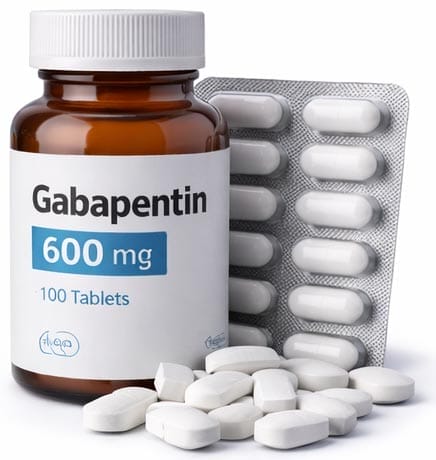
Buy Gabapentin for PHN management and access the analgesic for which gabapentin has its strongest and most extensively documented evidence base — the condition that was central to its FDA approval for neuropathic pain and the one where multiple large randomized controlled trials have established its clinical efficacy beyond any reasonable doubt.
The Landmark Clinical Trials: Building the Evidence Base
Gabapentin’s evidence base for postherpetic neuralgia is built on a foundation of rigorously conducted randomized controlled trials that established both its statistical efficacy and clinically meaningful benefit for PHN patients across a range of pain severity and age profiles.
Rowbotham et al. (1998, JAMA): The first large RCT of gabapentin for PHN — 229 patients randomized to gabapentin (titrated to a maximum of 3,600mg/day) or placebo. The gabapentin group achieved a 33% mean reduction in average daily pain score compared to 7.7% in the placebo group — a statistically and clinically significant difference. Sleep interference, mood disturbance, and patient global impression of change all showed statistically significant improvements with gabapentin.
Rice and Maton (2001): Extended the evidence to longer treatment duration, confirming maintained efficacy over extended follow-up and documenting the sustained sleep quality improvements that represent a clinically critical outcome for PHN patients.
Meta-analytic confirmation: Cochrane systematic reviews and meta-analyses of gabapentin for neuropathic pain confirm consistent, significant pain reduction in PHN across multiple trials — with the pooled evidence providing high-quality support for PHN as gabapentin’s best-evidenced neuropathic pain indication.
The 50% responder rate as a clinical benchmark: In the landmark PHN trials, approximately 35–43% of gabapentin-treated patients achieved ≥50% pain reduction — a threshold associated with clinically meaningful functional improvement and quality-of-life restoration. This responder rate is clinically meaningful but also underscores that a substantial proportion of PHN patients do not achieve adequate relief from gabapentin alone, supporting the multimodal combination approaches used in practice.
PHN-Specific Dosing: Maximizing Benefit in a Severe Neuropathic Pain State
Postherpetic neuralgia is among the most severe neuropathic pain conditions treated in clinical practice, and PHN-specific dosing approaches reflect the high therapeutic dose targets that its clinical severity often requires.
FDA-recommended PHN titration protocol:
- Day 1: 300mg once (bedtime)
- Day 2: 300mg twice daily
- Day 3: 300mg three times daily (900mg/day)
- Subsequent: Titrate upward in weekly 300mg/day increments as tolerated
- Target range: 1,800mg/day (most patients); 2,400–3,600mg/day for partial responders
Allodynia-specific dosing considerations: For patients with prominent allodynia — the skin hypersensitivity that makes clothing contact painful — adequate gabapentin dosing at the bedtime dose is particularly important for nighttime skin contact sensitivity that prevents comfortable sleep positioning. Some PHN patients require bedtime-heavy dose distribution (e.g., 600mg morning, 600mg afternoon, 1,200mg bedtime) to maximize nighttime allodynia reduction.
Trial duration before declaring non-response: PHN patients should be maintained at each dose level for at least two to three weeks before dose escalation, and at the maximum tolerated dose for at least four weeks before treatment response is evaluated. Many PHN patients who do not respond at 1,200mg/day achieve meaningful relief at 2,400–3,600mg/day — premature discontinuation at sub-therapeutic doses is a common reason for apparent gabapentin failure in PHN.
Order Gabapentin in sufficient supply to complete adequate dose titration trials for PHN — the treatment course necessary for therapeutic assessment often spans eight to twelve weeks of carefully managed titration.
Combination Therapy: When Gabapentin Alone Is Not Sufficient for PHN
PHN is a condition with sufficient clinical severity and mechanistic complexity that combination pharmacological approaches often achieve better outcomes than any single agent — including gabapentin. Understanding the evidence-based combination strategies enables patients and clinicians to optimize PHN pain management beyond gabapentin monotherapy.
Gabapentin plus tricyclic antidepressants: Tricyclics — particularly nortriptyline (preferred over amitriptyline for tolerability in elderly patients) — achieve their analgesic effect through norepinephrine and serotonin reuptake inhibition, activating descending monoaminergic pain inhibitory pathways that are mechanistically distinct from gabapentin’s calcium channel mechanism. A randomized crossover trial (Gilron et al., 2009) directly compared gabapentin alone, nortriptyline alone, and the combination — finding that the combination achieved superior pain reduction with lower doses of each agent than either alone, demonstrating true pharmacological complementarity.
Gabapentin plus topical lidocaine patches: Lidocaine 5% patches applied to the PHN-affected skin provide targeted peripheral analgesic effect through sodium channel blockade in sensitized peripheral nociceptors — directly addressing the allodynic skin hypersensitivity that is often PHN’s most disabling feature. Since lidocaine patches act locally with minimal systemic absorption, they add peripheral analgesic coverage without systemic side effects or interactions with gabapentin.
Gabapentin plus topical capsaicin: High-concentration capsaicin patches (8%, applied under medical supervision) provide prolonged (12-week) PHN pain reduction through depletion of substance P from peripheral nociceptors. Used as periodic add-on therapy, capsaicin provides extended analgesic windows between applications while gabapentin maintains ongoing central pain modulation.
Opioids as rescue for refractory PHN: For PHN patients who achieve inadequate relief despite optimized gabapentin combination therapy, carefully selected low-dose opioids may be appropriate — but require explicit attention to the 2019 FDA gabapentin-opioid combination respiratory depression warning.
PHN Prevention: The Most Important Intervention
While gabapentin provides clinically meaningful treatment for established PHN, the most powerful intervention available is prevention of PHN before it develops — through vaccination against herpes zoster and through early antiviral treatment of acute zoster when vaccination has not prevented the initial episode.
Recombinant zoster vaccine (Shingrix): The two-dose Shingrix vaccine, recommended for all immunocompetent adults 50 years and older, provides approximately 90% protection against shingles and — crucially — approximately 90% protection against postherpetic neuralgia in those who do develop a breakthrough shingles episode. The Centers for Disease Control and Prevention recommends Shingrix over the older live zoster vaccine (Zostavax) for all eligible adults.
Early antiviral treatment for acute zoster: Prompt initiation of antiviral therapy (valacyclovir, famciclovir, or acyclovir) within 72 hours of rash onset reduces the severity and duration of acute zoster and decreases — though does not eliminate — the risk of PHN development. The acute pain of zoster itself is a predictor of PHN risk; more severe acute pain is associated with higher PHN probability.
Early gabapentin for acute zoster: Some clinical evidence supports initiating gabapentin early in the acute zoster phase — before PHN has fully developed — as a potential strategy for reducing central sensitization before it becomes established. While the evidence for acute zoster gabapentin initiation is less definitive than for established PHN, the safety profile of early initiation is favorable and the mechanistic rationale for preventing early central sensitization is clinically logical.
For patients who Buy Gabapentin for established PHN through certified pharmacies, concurrent discussion with their healthcare provider about Shingrix vaccination status for household members and contacts at risk represents a prevention opportunity that pharmacy access occasions.
Order Gabapentin for PHN: Affordable Long-Term Management
Postherpetic neuralgia in elderly patients — its highest-risk population — often persists for months to years, making long-term affordable medication access a clinical priority. The intersection of PHN’s high prevalence in Medicare-age patients and generic gabapentin’s extraordinary affordability creates an unusually favorable pharmacoeconomic situation: the most evidence-supported first-line treatment for one of elderly patients’ most common severe pain conditions is also one of the cheapest medications available.
Cost context for elderly PHN patients:
- Medicare Part D Tier 1 coverage for generic gabapentin: Typical copay $1–$10 per fill
- Cash-pay price through GoodRx for gabapentin 300mg 90 capsules: $12–28
- Cash-pay price for gabapentin 600mg 90 tablets (1,800mg/day supply): $18–42
For elderly patients on fixed incomes — who represent the demographic with highest PHN incidence and the greatest cost sensitivity — the combination of Medicare Part D Tier 1 coverage and generic affordability means that consistent, adequate PHN treatment is accessible without financial sacrifice.
Home delivery advantages for elderly PHN patients: The allodynia that is PHN’s most disabling feature makes physical contact painful — including the clothing, movement, and tactile demands of in-person pharmacy visits. For PHN patients whose skin hypersensitivity makes leaving home physically painful, Cheap Gabapentin through a certified online pharmacy with home delivery eliminates a genuine access barrier to consistent therapy.
Order Gabapentin through a VIPPS-certified licensed pharmacy — verifiable at nabp.pharmacy — for PHN management and ensure that the pharmaceutical-grade quality, pharmacist clinical oversight, and competitive generic pricing of legitimate pharmacy dispensing supports the sustained, adequate-dose therapy that PHN management requires for best clinical outcomes.