
Buy Gabapentin for Intractable Chronic Hiccups

Hiccups are one of the most universally recognized human experiences — brief, involuntary contractions of the diaphragm followed by the sudden closure of the vocal cords, producing the characteristic sound that has amused and frustrated people alike for millennia. In their common form, hiccups resolve on their own within minutes to hours and require nothing … [Read more…]

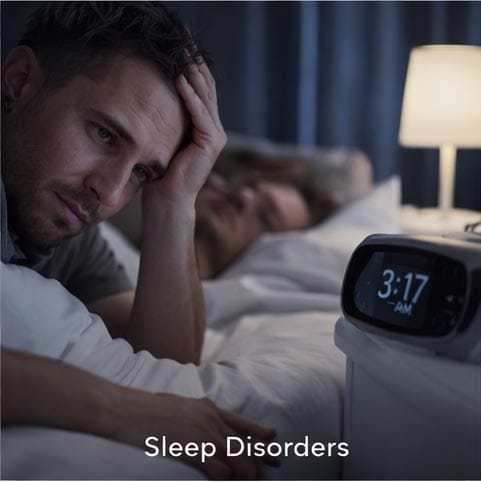
Buy Gabapentin for Restless Legs Syndrome

Restless legs syndrome, commonly referred to as RLS, is a neurological sensorimotor disorder characterized by an irresistible urge to move the legs, typically accompanied by uncomfortable or painful sensations. These feelings tend to worsen during periods of rest or inactivity, particularly in the evening and nighttime hours, making it notoriously disruptive to sleep. Millions of … [Read more…]

Peripheral Neuropathy: Causes, Symptoms, and Evidence-Based Pharmacological Treatment

Peripheral Neuropathy: A Common Condition With Diverse Causes Peripheral neuropathy — damage or dysfunction of the peripheral nervous system (all nerves outside the brain and spinal cord) — affects an estimated 20 million Americans and represents one of the most common neurological conditions seen in primary care, internal medicine, and neurology practice. The condition is … [Read more…]

Sleep Architecture and Chronic Illness: How Alpha-2-Delta Agents Restore Restorative Sleep

Sleep as a Medical Priority: Beyond Symptom to Mechanism Sleep is increasingly recognized not merely as a quality-of-life factor but as a fundamental physiological process whose disruption drives the progression of virtually every chronic medical condition. The mechanisms connecting poor sleep to disease worsening are diverse and bidirectional: disrupted sleep elevates inflammatory cytokines that exacerbate … [Read more…]

Migraine Prevention Beyond First-Line Agents: A Clinical Guide to Second-Line Options

Migraine: The Neurological Disease With an Undertreated Prevention Gap Migraine is a complex neurological disorder affecting approximately 39 million Americans, characterized by recurring attacks of severe unilateral head pain accompanied by nausea, vomiting, photophobia, and phonophobia that typically last 4–72 hours without treatment. The Global Burden of Disease study consistently ranks migraine as the second … [Read more…]

Nerve Involvement in Chronic Back Pain: Radiculopathy, Sensitization, and Treatment Selection

The Neuropathic Dimension of Chronic Back Pain Chronic low back pain is the leading cause of disability globally, affecting an estimated 540 million people at any given time and generating approximately $100 billion in annual direct and indirect costs in the United States. Despite this extraordinary prevalence and cost, chronic LBP remains one of medicine’s … [Read more…]

Non-Hormonal Vasomotor Symptom Management: Evidence-Based Options for Menopausal Hot Flashes

Hot Flashes: The Thermoregulatory Crisis of Menopause Hot flashes — sudden episodes of intense heat, flushing, perspiration, and sometimes rapid heartbeat lasting one to five minutes — are the most prevalent and typically most distressing symptom of the menopausal transition, affecting approximately 75–80% of menopausal women. While most commonly conceptualized as a short-term transitional discomfort, … [Read more…]

Alcohol Use Disorder: Neurobiological Recovery and the Role of Anti-Excitatory Pharmacotherapy

The Neurobiology of Alcohol Dependence and Withdrawal Alcohol use disorder (AUD) affects approximately 29 million Americans and represents one of the most prevalent, costly, and undertreated behavioral health conditions in the United States. Despite the existence of several FDA-approved pharmacological treatments and extensive evidence for their efficacy, fewer than 10% of individuals with AUD receive … [Read more…]

Off-Label Anxiolytic Pharmacology: The Evidence for Alpha-2-Delta Agents in Anxiety

The Neurobiology of Anxiety and Limitations of Current Treatments Anxiety disorders — encompassing generalized anxiety disorder, social anxiety disorder, panic disorder, and specific phobias — collectively represent the most prevalent mental health condition category in the United States, affecting approximately 40 million adults annually. Despite decades of pharmacological development and the availability of multiple approved … [Read more…]

Fibromyalgia and Central Sensitization: A Modern Treatment Approach

Fibromyalgia: Reframing a Misunderstood Condition Fibromyalgia is one of the most prevalent yet most fundamentally misunderstood chronic conditions in clinical medicine. Affecting approximately 4 million American adults — with a female-to-male ratio of approximately 3:1 — fibromyalgia produces a symptom complex that extends far beyond the widespread musculoskeletal pain most commonly associated with the diagnosis. … [Read more…]